SAFARIS
June – October, January – February
Top picks: July, August, September
A practical overview to help you choose the right window—whether you want peak safari conditions, quiet lodges, coast sunshine, or better value.
Kenya has a tropical climate, but the weather is shaped more by altitude than by four traditional seasons. You can experience warm coastal humidity and crisp highland mornings in the same week.
Most travelers plan around two dry seasons and two rainy seasons — but the coast, highlands, and safari parks each have their own rhythms.
Warmer, more humid. Sea breezes, occasional showers. Diani, Watamu, Lamu.
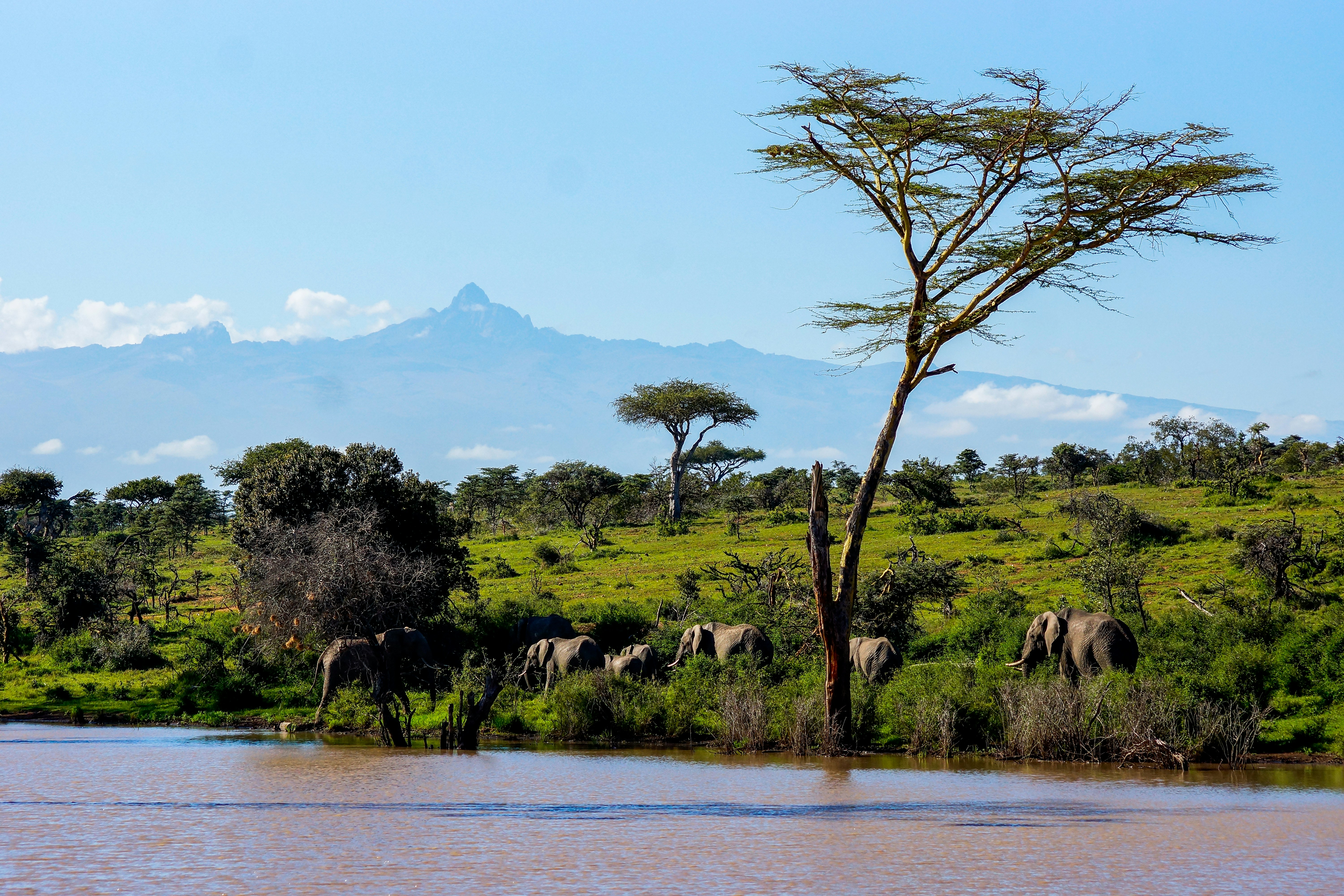
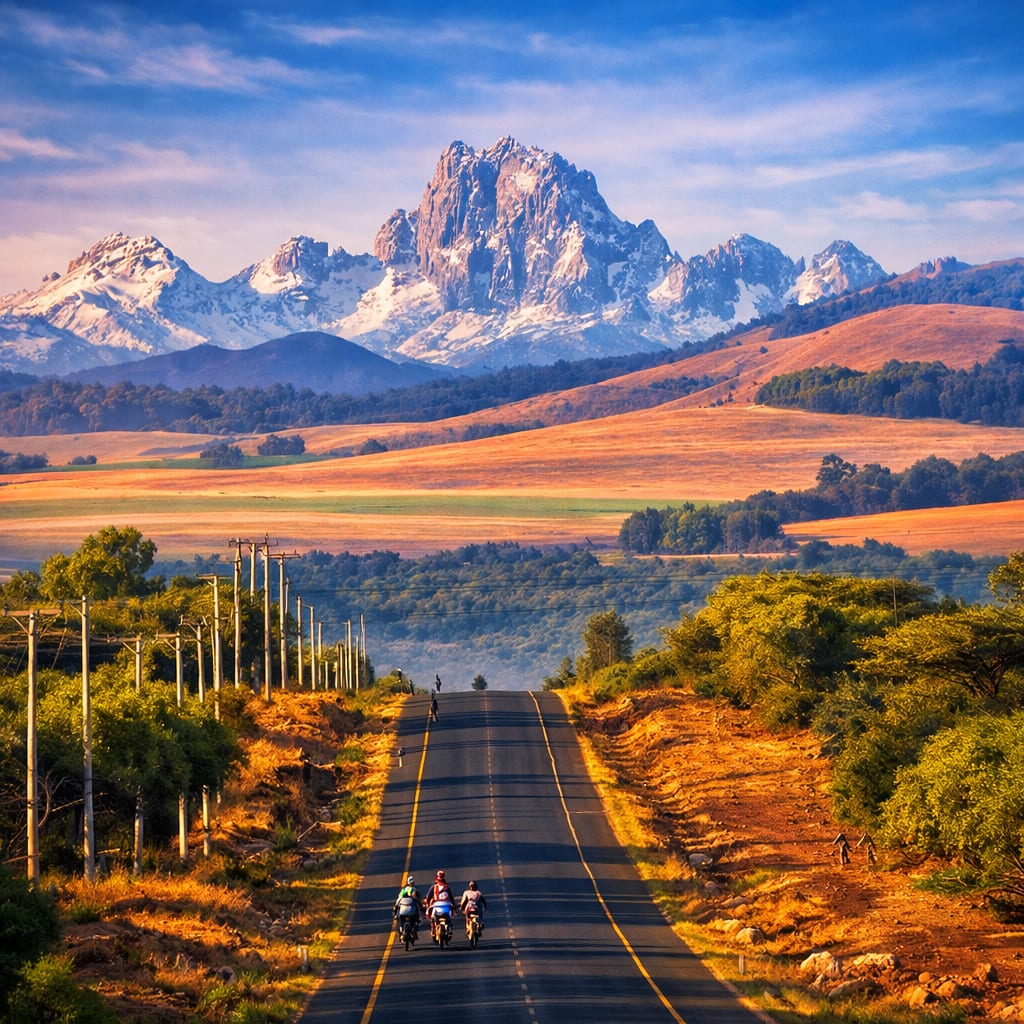
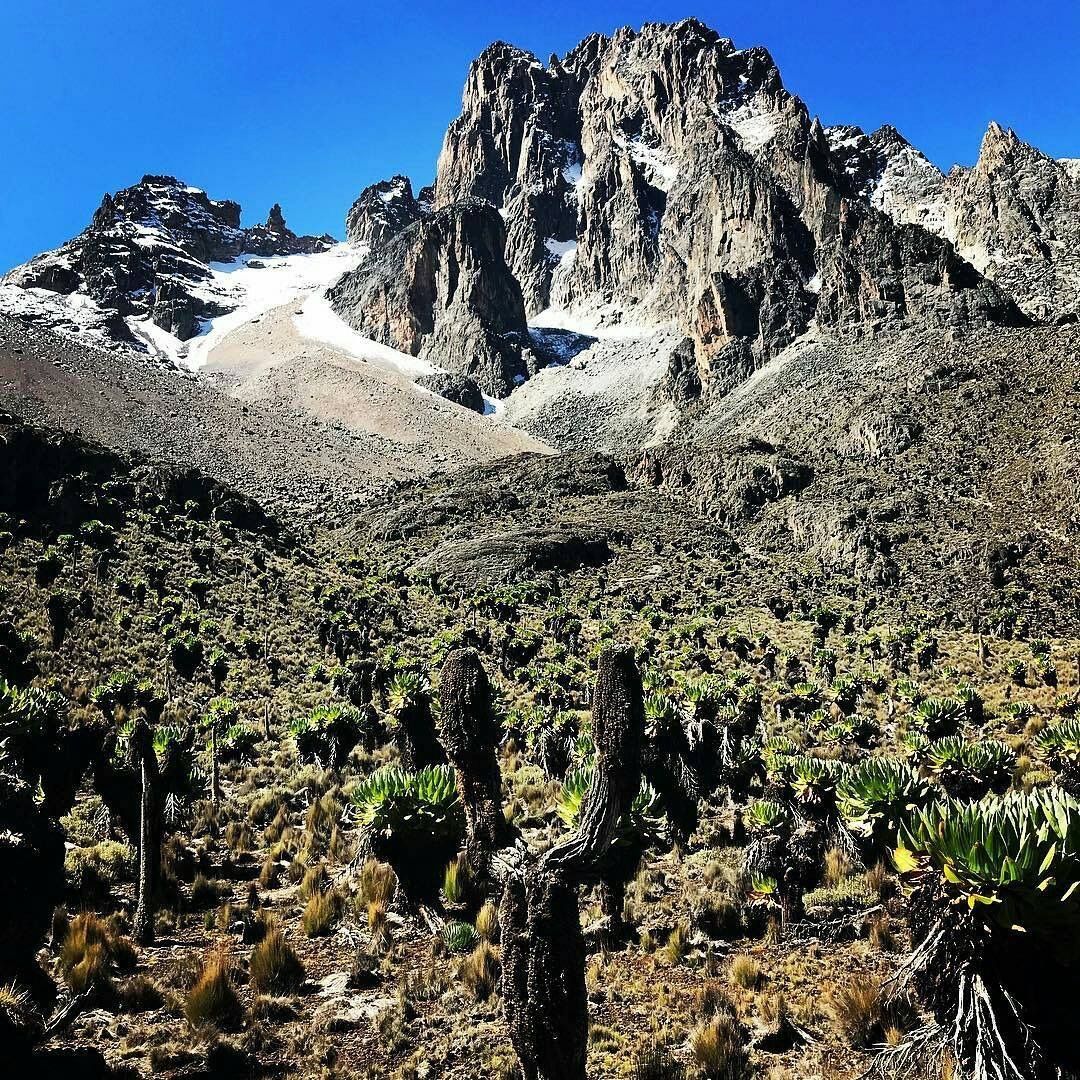
Cooler nights, comfortable days. Nairobi, Aberdares, Mount Kenya.
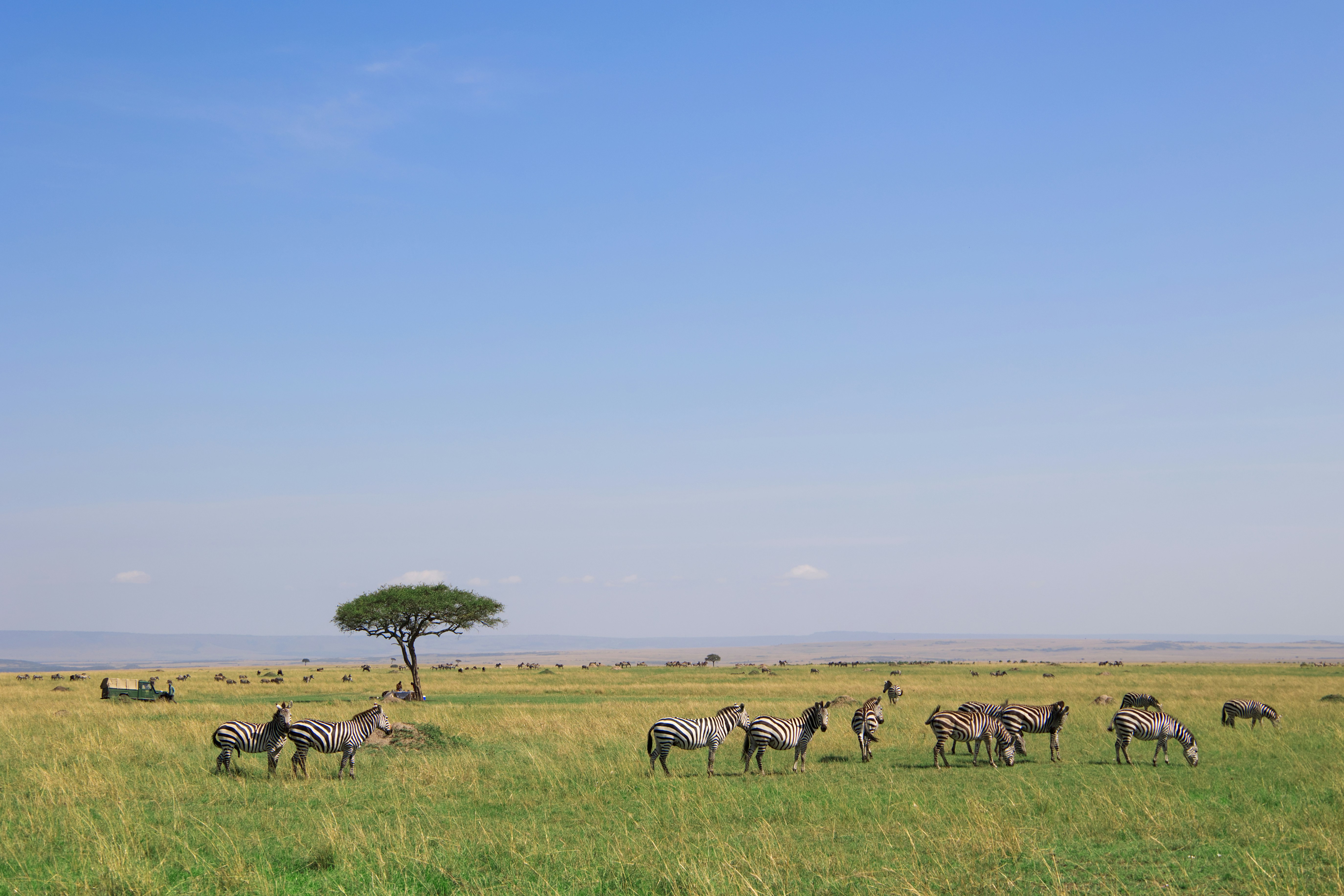
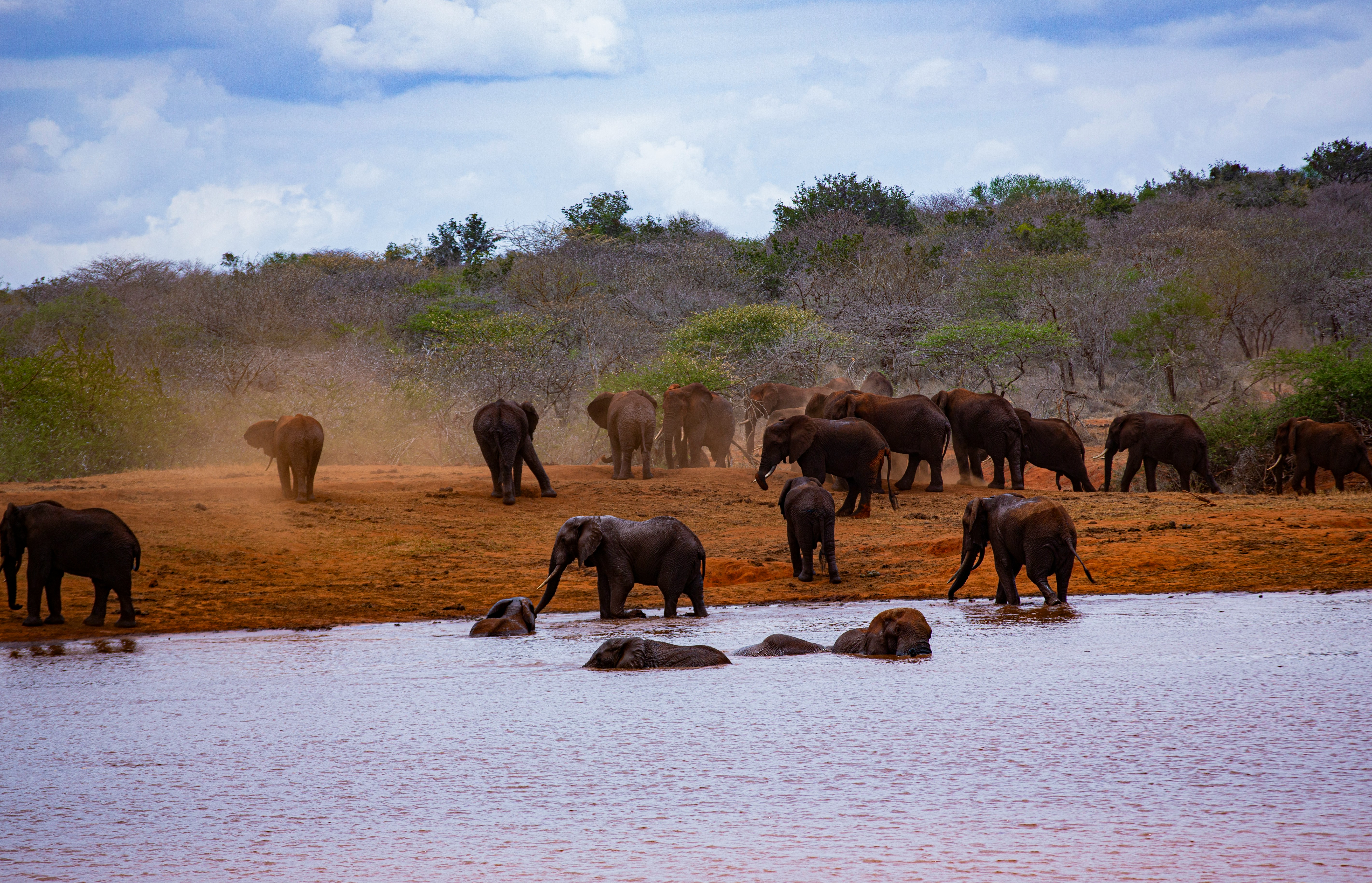
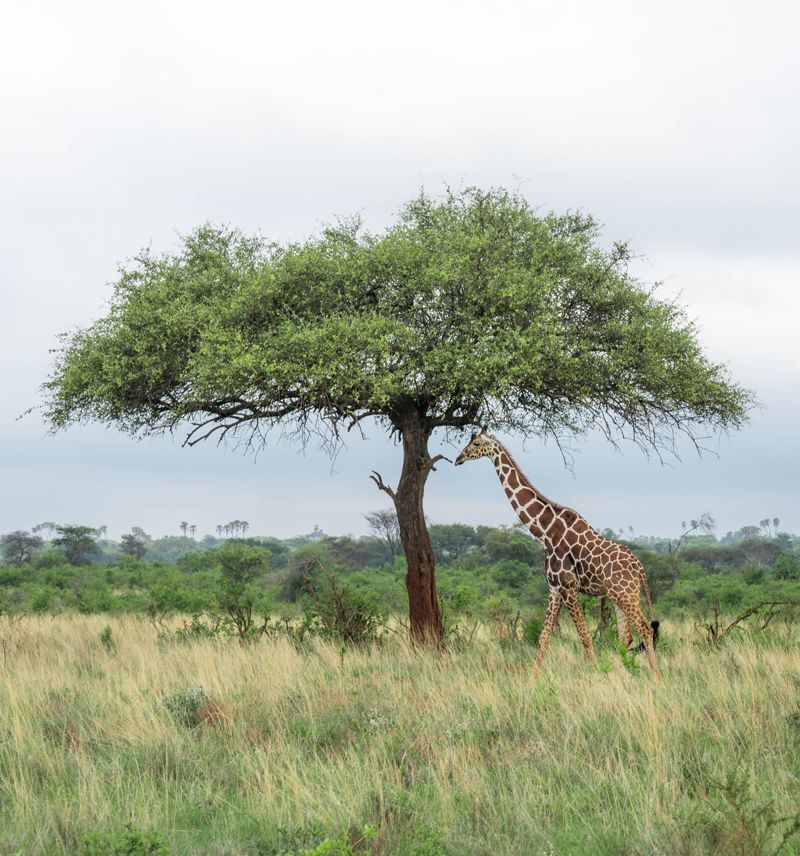
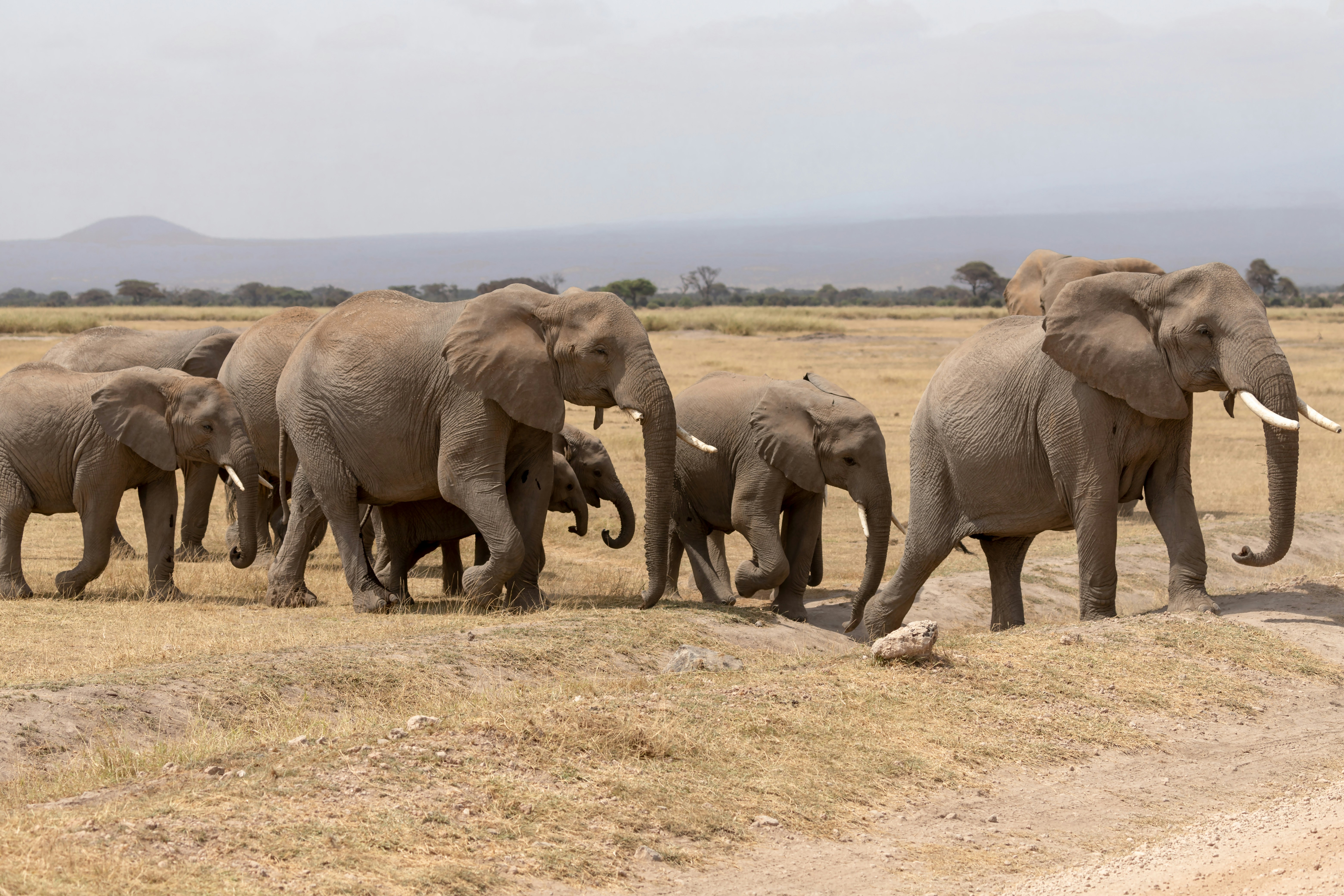
Generally sunny; dustier in dry months, lush during rains. Mara, Amboseli, Tsavo.
Mild-to-warm with regional differences — Nairobi is cooler at elevation; Mombasa is warmer and more humid.
June – October, January – February
Top picks: July, August, September
January – March, late December
Top picks: February, January, December
March – May, November
Top picks: May, November
June – October, November
Top picks: September, July, November
June – September, January – February
Top picks: June, September, February
July – August, December – January
Top picks: August, December, July
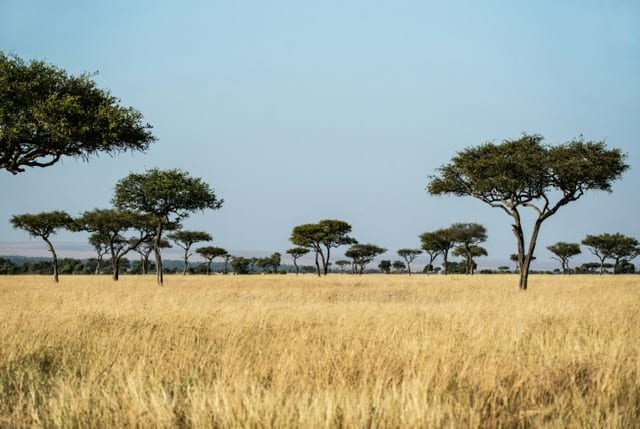 Warm & dry
Drop image here
Warm & dry
Drop image here
January – February
Best for beach holidays and clear-sky safaris. Hotter temperatures with minimal rainfall in most regions.
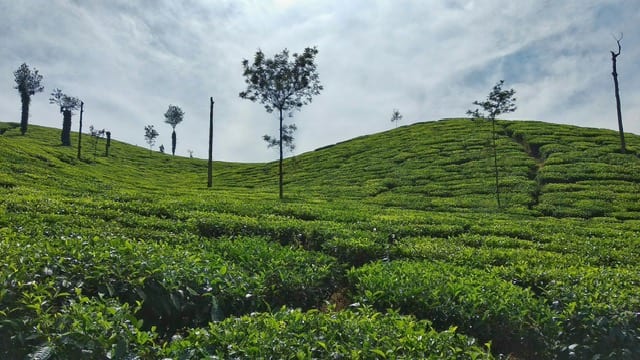 Long rains
Drop image here
Long rains
Drop image here
March – May
Green landscapes, fewer tourists, and better pricing. Heavier showers with occasional slowdowns in remote areas.
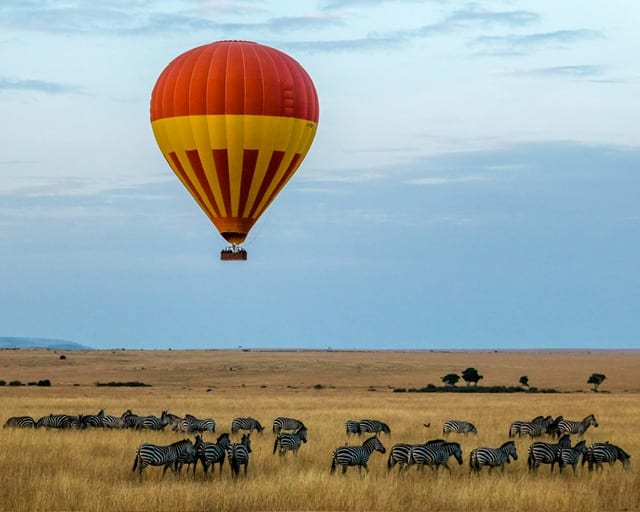 Cool & dry peak
Drop image here
Cool & dry peak
Drop image here
June – October
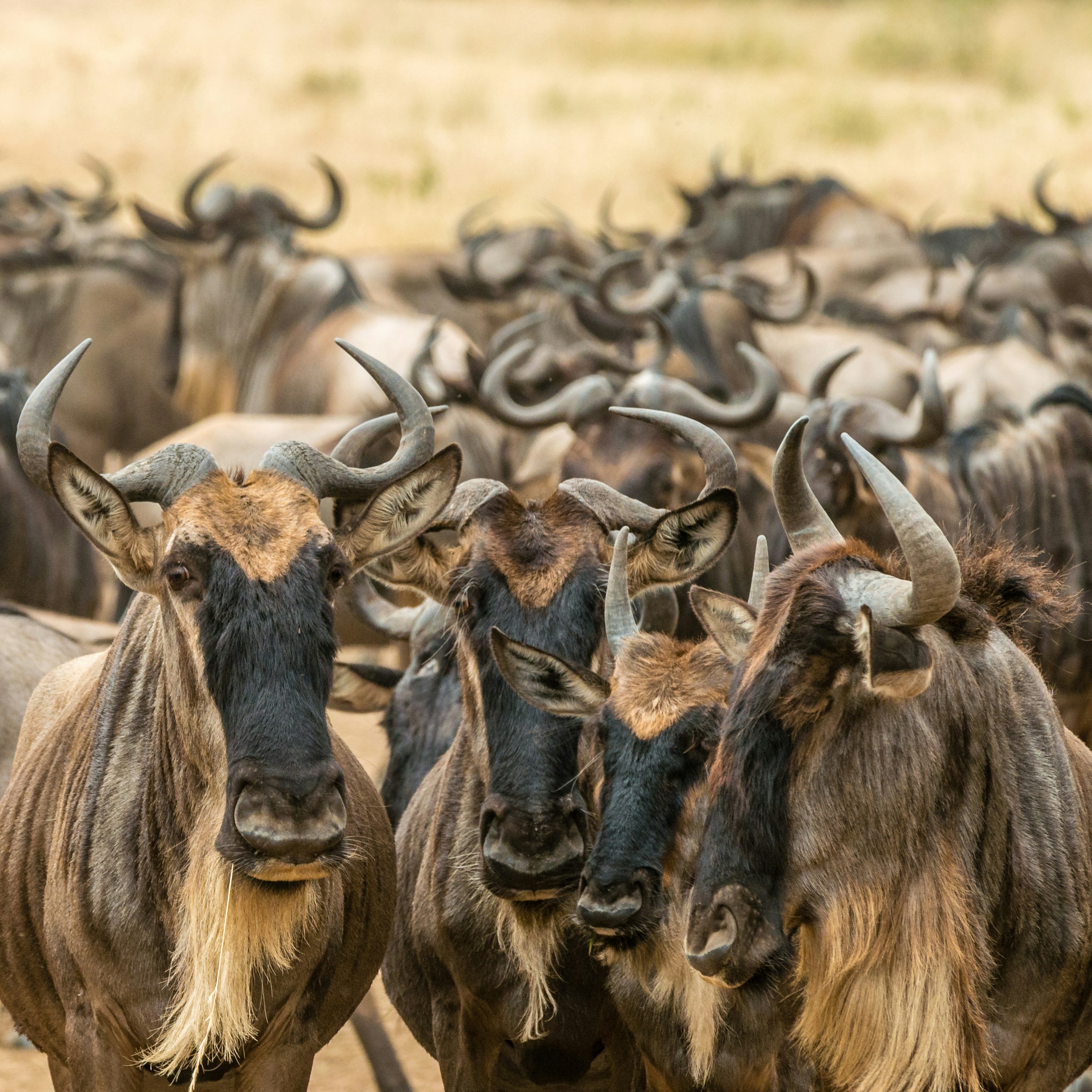
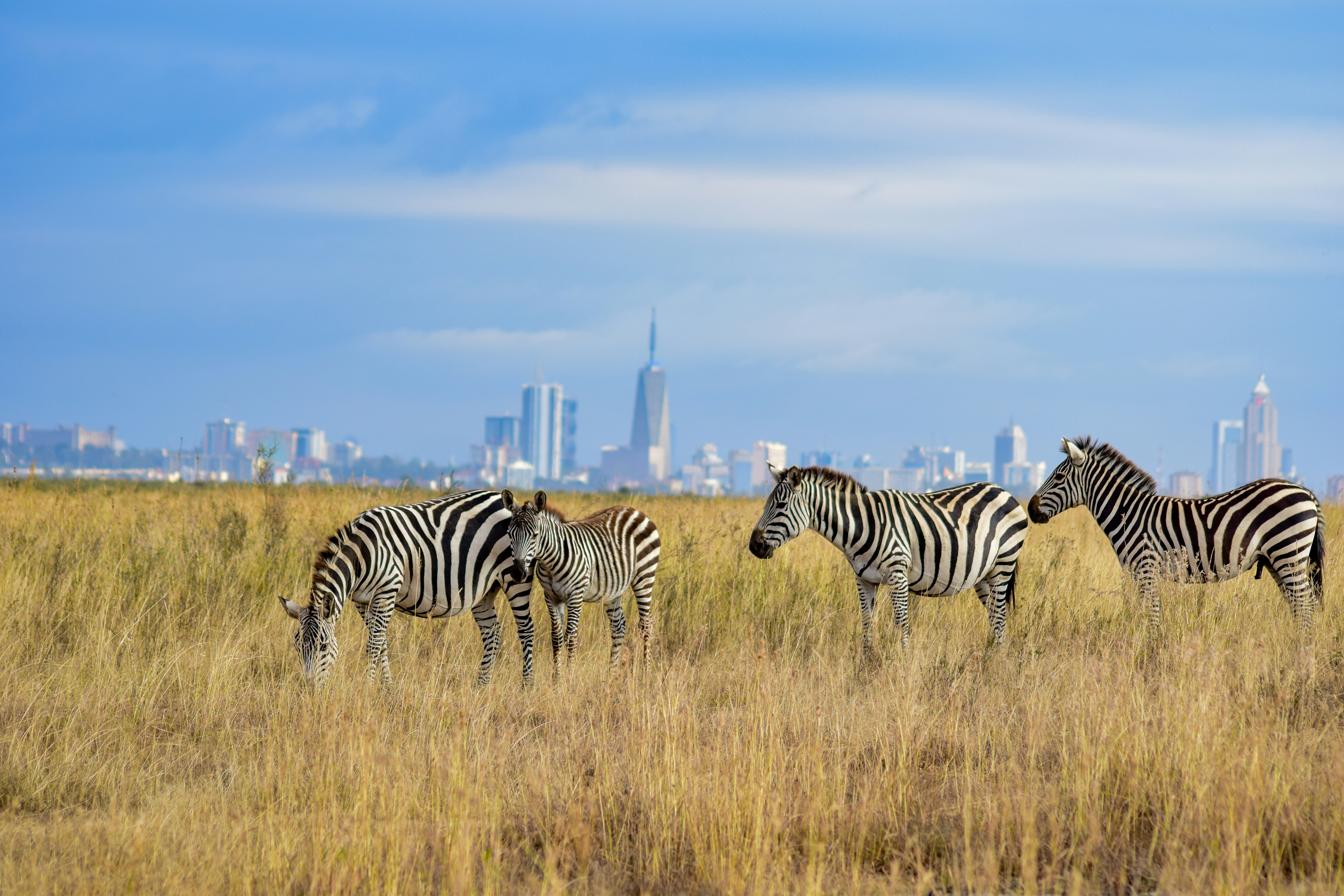
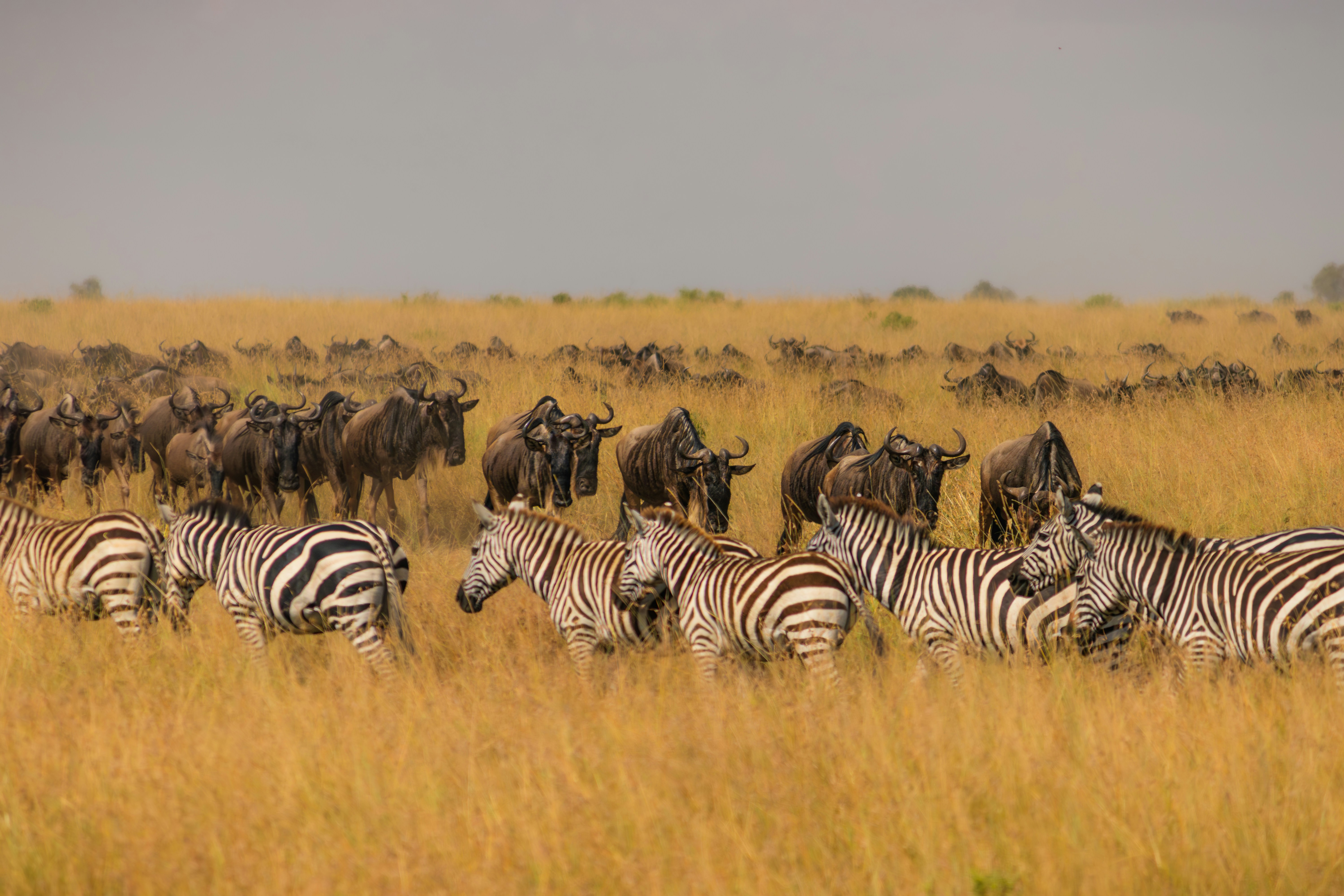
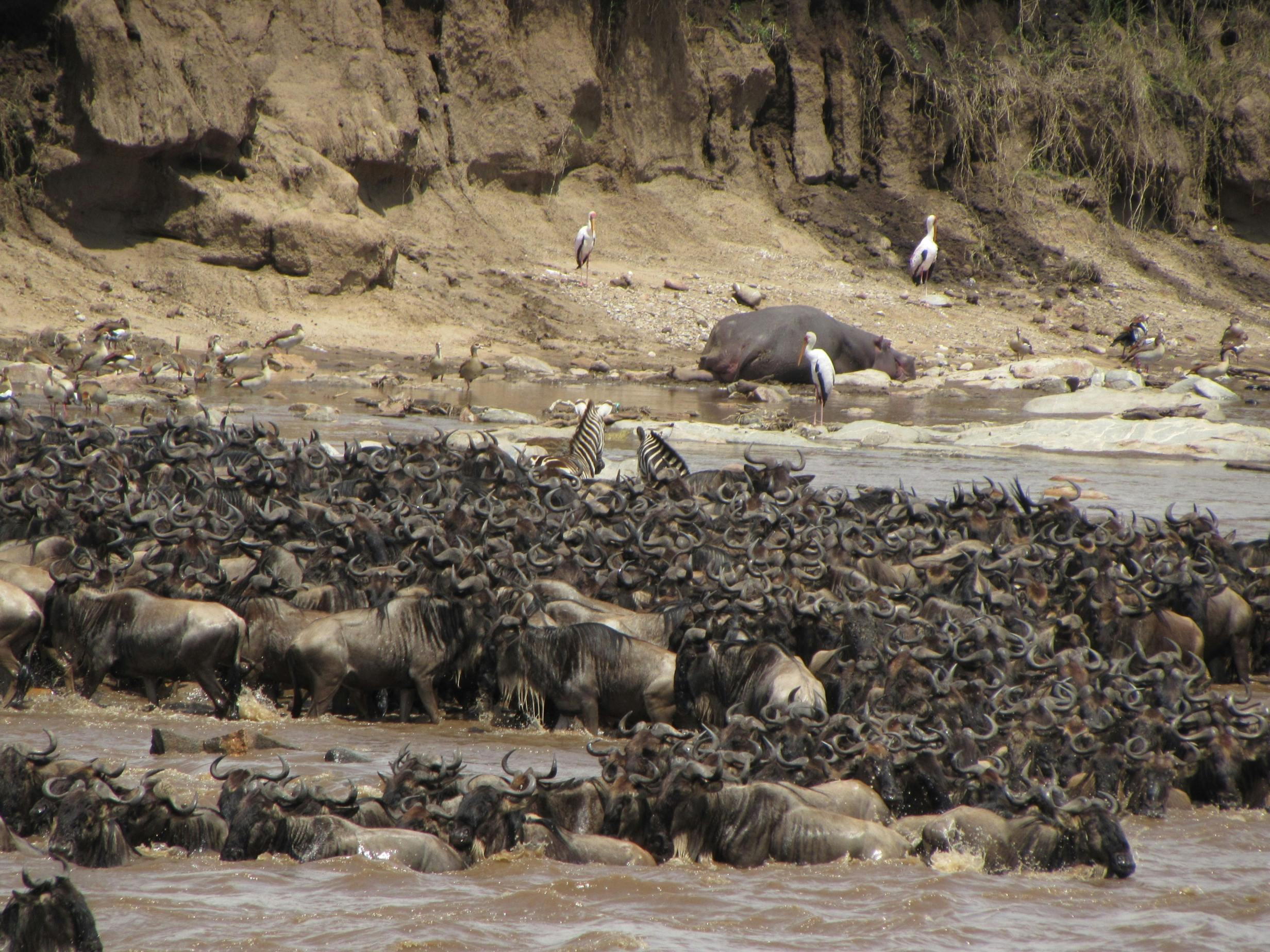
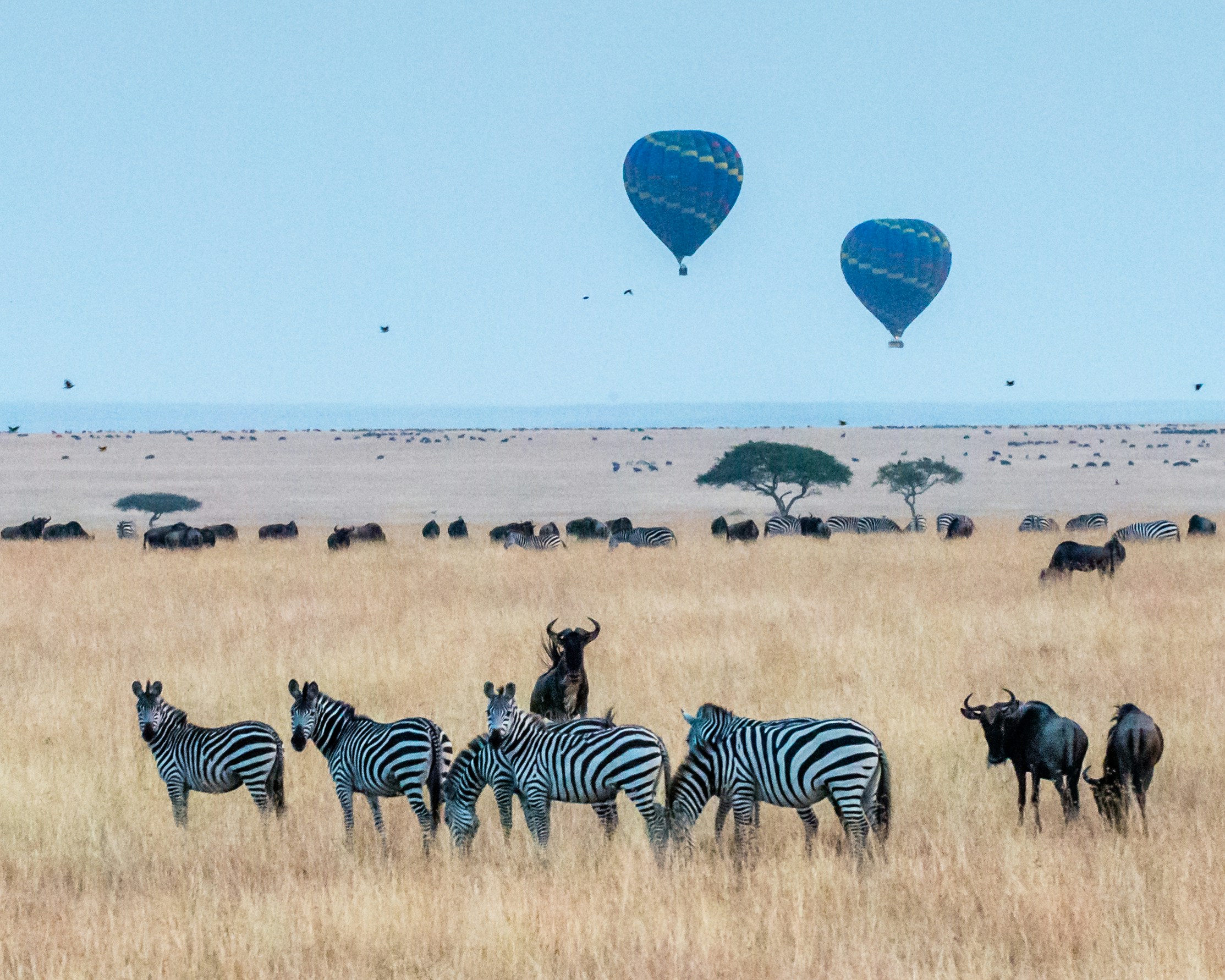
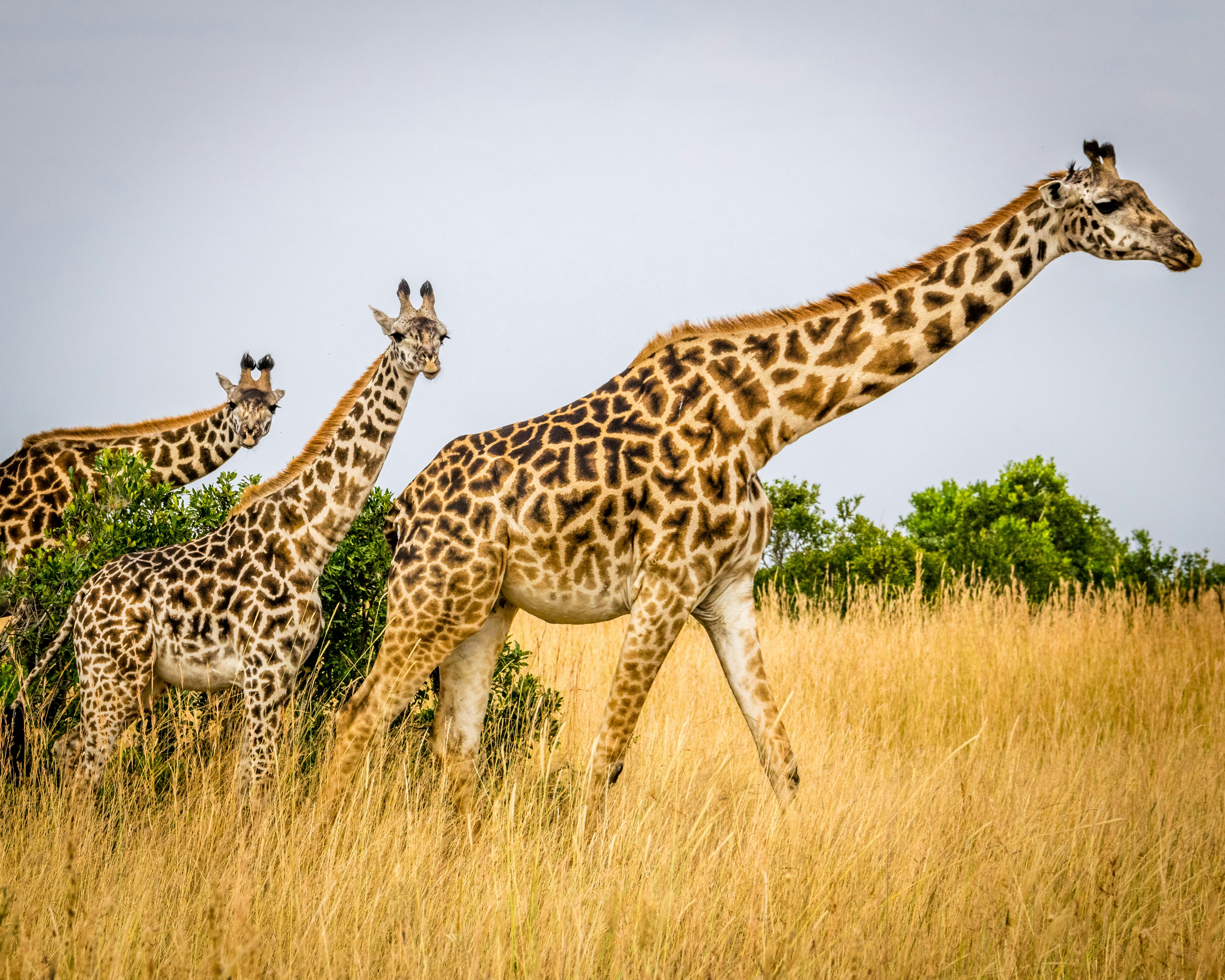
Often the best overall time to visit. Excellent safari conditions, strong wildlife visibility, and the Great Migration in the Mara ecosystem.
 Short rains
Drop image here
Short rains
Drop image here
October – December
Brief showers with sunny intervals, greener landscapes, and fewer crowds — an excellent shoulder season for flexible travelers.
Month-by-month highlights with top destination ideas.